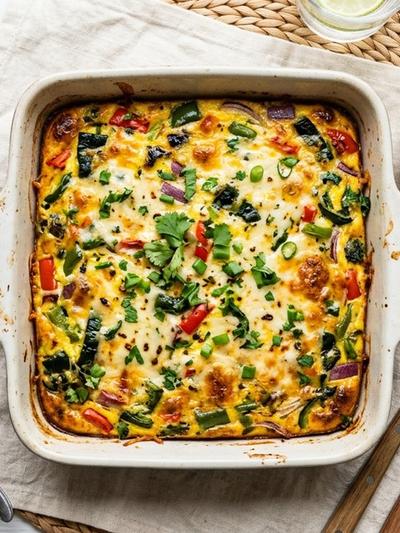
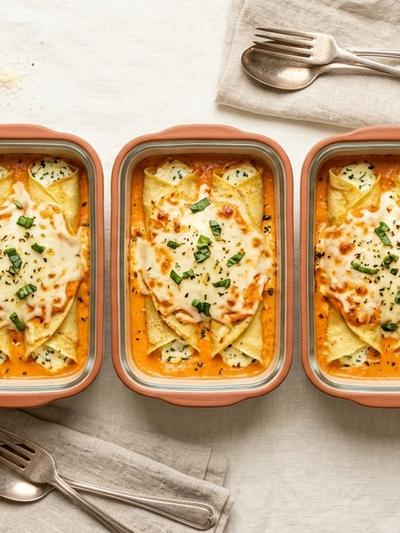
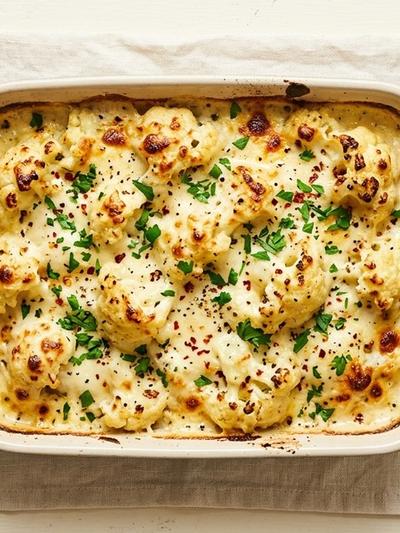
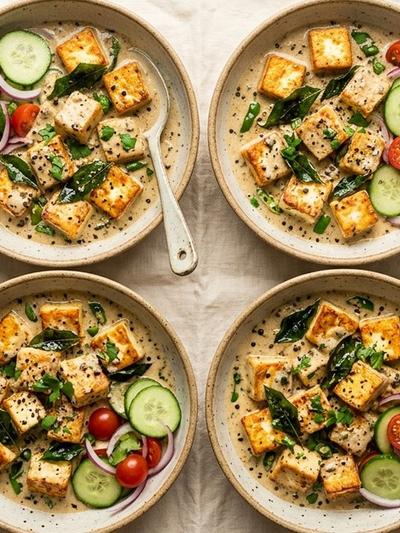
Nogada is one of the great unsung treasures of Mexican cuisine. Traditional chiles en nogada features a lush walnut cream sauce that coats everything in a velvety, slightly sweet richness, and this keto batch-prep casserole puts that same gorgeous sauce front and center. Layers of golden-seared zucchini, smoky roasted poblano strips, and melted Oaxaca cheese get blanketed in a blended walnut-hemp cream spiked with cumin, cinnamon, and lime, then finished with a crunchy almond-flax-chia seed crumble that shatters with every bite. It tastes like something you would order at a serious Mexican restaurant, not something you pulled from the fridge on a Tuesday night.
The macros here are built for a ketogenic dinner that actually fills you up. Each generous serving delivers 61 grams of fat primarily from walnuts, cream cheese, butter, and olive oil, while landing at just 9 grams of net carbs. The 24 grams of protein come from eggs, Oaxaca cheese, and hemp hearts working together, giving you a complete amino acid profile without a single gram of meat. Fat accounts for over 80 percent of the calories, making this one of the most naturally keto-aligned Mexican dishes you can build.
The real beauty is the batch-prep angle. This entire casserole comes together in one baking dish, holds its shape beautifully once cooled, and actually tastes better on day two or three as the nogada cream soaks deeper into every layer. Cut it into four portions on Sunday evening and you have a satisfying, ready-to-reheat dinner waiting for you through Wednesday or Thursday. No soggy textures, no flavor loss, just warm it and eat.
Ingredients (serves 4)
For the walnut-seed nogada cream:
- 3/4 cup (90g) raw walnuts
- 3 tablespoons (30g) hemp hearts
- 4 ounces (113g) cream cheese, softened
- 3 tablespoons (45g) sour cream
- 1 tablespoon (15ml) fresh lime juice
- 1 small clove garlic, peeled
- 1/2 teaspoon ground cumin
- 1/4 teaspoon ground cinnamon
- 1/2 cup (120ml) warm water
- 1/2 teaspoon fine salt
For the zucchini and poblano layers:
- 2 medium zucchini (about 10.5 oz / 300g total), sliced into 1/4-inch rounds
- 1 large poblano pepper
- 2 tablespoons (30ml) olive oil
- 1 teaspoon ground cumin
- 1/2 teaspoon smoked paprika
- 1/2 teaspoon garlic powder
- Salt and freshly ground black pepper to taste
For the egg and cheese layer:
- 2 large eggs, beaten
- 1 1/2 cups (168g) shredded Oaxaca cheese (or low-moisture mozzarella)
For the almond-flax-chia seed crumble:
- 1/4 cup (28g) almond flour
- 2 tablespoons (14g) ground flaxseed
- 1 tablespoon (12g) chia seeds
- 2 tablespoons (28g) butter, melted
- 1/4 teaspoon ground cumin
- Pinch of cayenne pepper
- 1/4 teaspoon fine salt
For garnish:
- 2 tablespoons crumbled Cotija cheese
- Fresh cilantro leaves, roughly chopped
- Lime wedges
Instructions
Preheat and prep. Set your oven to 375°F (190°C). Lightly grease a 9x9-inch (23x23cm) baking dish with olive oil or butter. This is the size that gives you the best ratio of crispy edges to creamy center.
Toast the walnuts. Spread the walnuts in a single layer in a dry skillet over medium heat. Stir frequently for 4 to 5 minutes, until they smell deeply nutty and have darkened slightly. Toasting is not optional here; raw walnuts taste flat and slightly bitter in the sauce, while toasted walnuts give the nogada its signature warm, roasted depth. Transfer to a plate and let cool for a few minutes.
Roast the poblano. If you have a gas burner, place the poblano directly over the flame using tongs, turning it every 90 seconds or so until the skin is blistered and charred on all sides, about 6 to 8 minutes total. Alternatively, place it under a hot broiler on a sheet pan, turning once or twice, for about 8 to 10 minutes. Transfer the charred pepper to a small bowl, cover tightly with a plate or plastic wrap, and let steam for 5 minutes. The steam loosens the skin. Peel off the charred skin, remove the stem and seeds, and slice the flesh into thin strips.
Blend the nogada cream. Add the toasted walnuts, hemp hearts, softened cream cheese, sour cream, lime juice, garlic, cumin, cinnamon, warm water, and salt to a blender or food processor. Blend on high for about 60 seconds, scrape down the sides, and blend again until the sauce is completely smooth and pourable. It should be the consistency of a thick salad dressing. If it is too thick, add warm water one tablespoon at a time. Taste and adjust salt and lime. Set the nogada aside.
Sear the zucchini. Heat the olive oil in a large skillet over medium-high heat until the oil shimmers. Arrange the zucchini rounds in a single layer, working in two batches to avoid crowding. Cook undisturbed for 2 to 3 minutes until the underside is golden brown, then flip and cook another 2 minutes. While still in the pan, season with the cumin, smoked paprika, garlic powder, a generous pinch of salt, and a few grinds of pepper. Toss briefly to coat, then transfer to a plate. The goal is golden color and a slight firmness; they will soften further in the oven.
Build the seed crumble. In a small bowl, stir together the almond flour, ground flax, chia seeds, melted butter, cumin, cayenne, and salt until everything is evenly coated and forms a loose, sandy crumble. Set aside.
Assemble the casserole. Arrange half of the seared zucchini rounds in a single overlapping layer across the bottom of the prepared baking dish. Scatter the poblano strips evenly on top. Pour the beaten eggs slowly and evenly over the vegetables, letting the egg seep into the gaps between the slices. Arrange the remaining zucchini on top in another overlapping layer. Pour the walnut-seed nogada cream over everything, using a spatula to spread it to the edges. Sprinkle the shredded Oaxaca cheese evenly across the surface, then scatter the seed crumble over the cheese.
Bake. Place the dish on the center rack and bake for 25 to 30 minutes. You are looking for the cheese to be bubbly and golden in spots, the seed crumble to be deeply toasted, and the center of the bake to be set when you give the dish a gentle shake. If the top is browning too quickly, tent loosely with foil for the final 10 minutes.
Rest, portion, and serve. Let the bake cool in the dish for at least 10 minutes. This rest firms the layers so slices hold together cleanly. Cut into four equal portions. Top each with crumbled Cotija, a scatter of fresh cilantro, and a squeeze of lime. For meal prep, skip the cilantro garnish until reheating day.
Nutrition per Serving
| Nutrient | Amount |
|---|---|
| Calories | ~680 kcal |
| Fat | ~61g |
| Protein | ~24g |
| Total Carbs | ~15g |
| Fiber | ~6g |
| Net Carbs | ~9g |
Nutrition is approximate and calculated using the ingredients and quantities listed above. Actual values may vary depending on specific brands and product variations.
Tips & Variations
Meal-prep storage and reheating. Let the bake cool completely before covering and refrigerating. It stores well for up to 5 days in airtight containers. To reheat, place a single portion in a 350°F (175°C) oven for 10 to 12 minutes until warmed through and the cheese re-melts. Microwave works in a pinch at 2 to 3 minutes, but the oven preserves the crumble texture far better.
Swap the cheese to change the vibe. Oaxaca cheese gives you those beautiful, stretchy pulls that make this feel indulgent. Pepper Jack adds a spicy kick that pairs brilliantly with the sweet, warm nogada. Monterey Jack is a milder option. All have similar macros, so swap freely based on your preference without recalculating.
Watch the hidden carbs in store-bought sour cream. Some brands add starches or modified food starch as thickeners, which can push carb counts up by 1 to 2 grams per serving. Check the label and choose full-fat sour cream with the simplest ingredient list. Daisy and similar single-ingredient brands are reliable choices.
Boost the protein if you need it. Fold 4 ounces of cubed paneer into the zucchini layers before adding the nogada cream. Paneer adds about 7 grams of protein per serving with negligible carbs and keeps the Latin American cheesy spirit of the dish intact. You could also add an extra egg to the pour.
Turn up the heat with a guajillo or ancho paste. For a smokier, more complex nogada, blend one rehydrated dried guajillo or ancho chile (stemmed and seeded) into the walnut cream. This adds less than a gram of net carbs per serving but gives the sauce a gorgeous rust color and deep, earthy warmth that takes the dish from great to unforgettable.